-
About us

- Ukrainian Youth Association in Estonia
- Ukrainian art studio "MRIJA"
- Ensemble of folk instruments "Dibrova"
- Ukrainian community "Vodohray"
- Reading Club "Kolo"
- Ukrainian community "Spohad"
- Cultural club "Kryla" of the "ORFEY" society
- Shared library Spilno_ee
- Ukrainian Society and "Kalyna" Saturday School in Valga
- Prosvita - Ukrainian cultural and educational society
- UKRAINIAN MEDIA DRUZI NGO
-
Our team
-
Projects and events
-
Supporting Ukraine
-
Education
-
Culture
-
Festivals
-
All news
-
Contacts
-
Photo




Gothenburg: experience that helps communities preserve themselves and build the future
11–13 October 2026
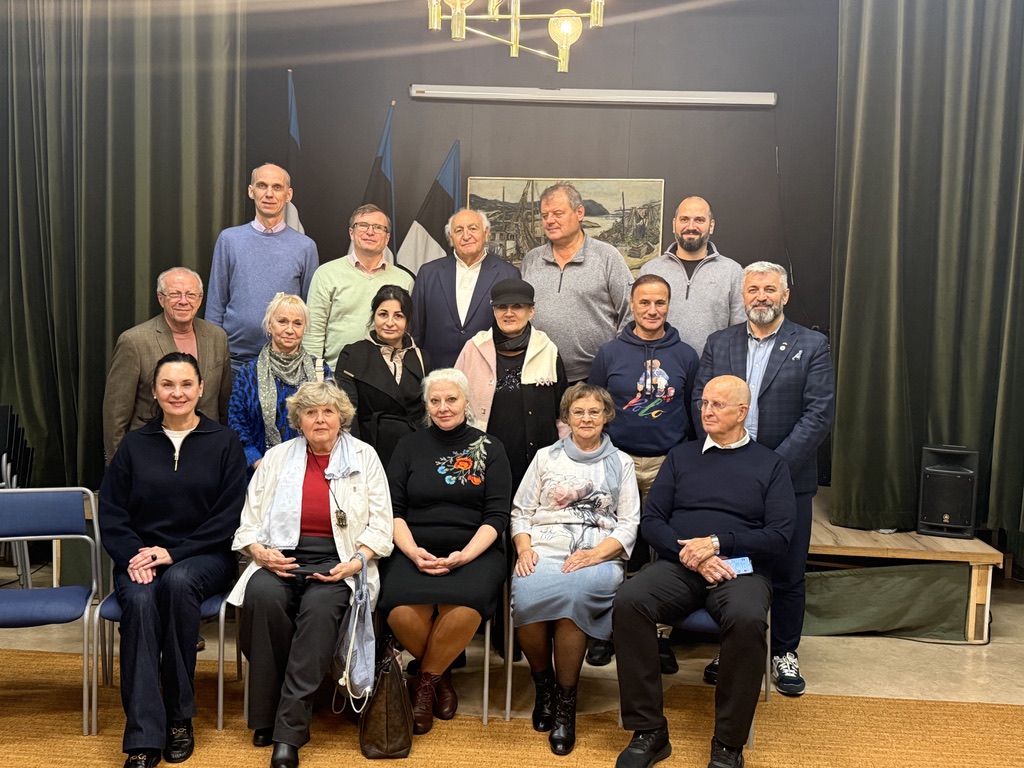
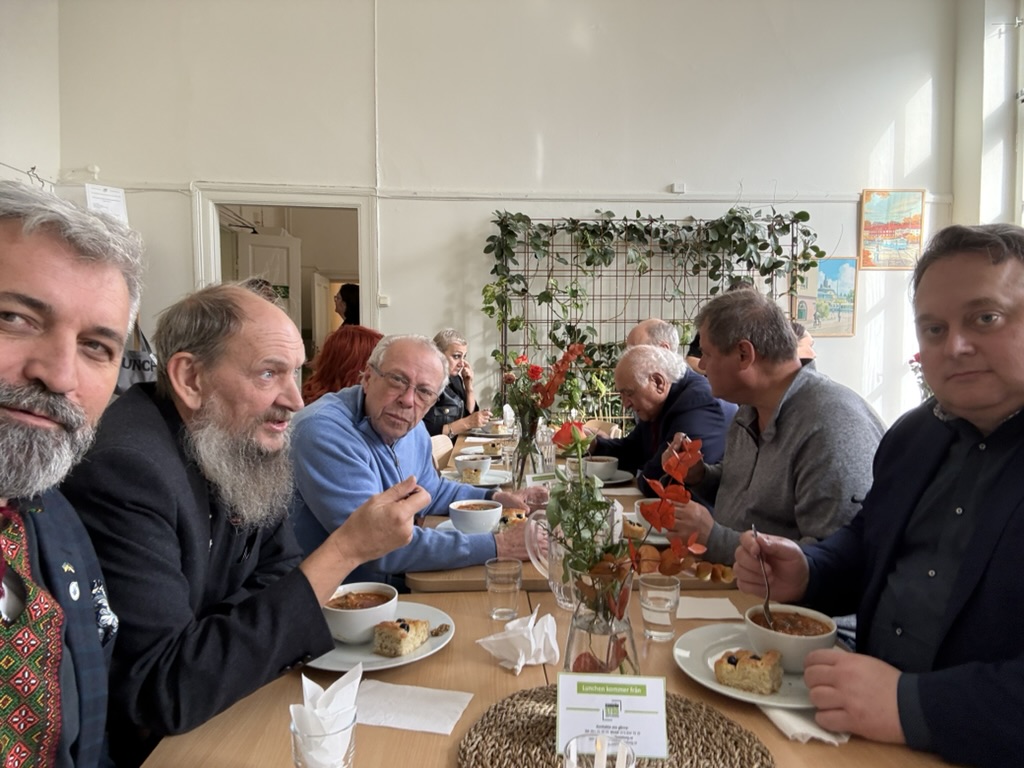
Vladimir Palamar, Chairman of the Board of the Association of Ukrainian Organizations in Estonia and Director of the Ukrainian school “Nadiia”, took part in a study visit to Gothenburg together with colleagues from the Estonian Council for the Culture of National Minorities.
The delegation learned about Swedish experience in the work of national communities, educational and cultural institutions, and about models of their cooperation with local government.
For the Association, the visit was an opportunity not only to see interesting practical examples but also to reflect on important questions: what helps a community stay alive and needed by people, how to involve young people in its work, and how to pass language, culture and historical memory on to the next generations.
A shared experience of Estonians and Ukrainians
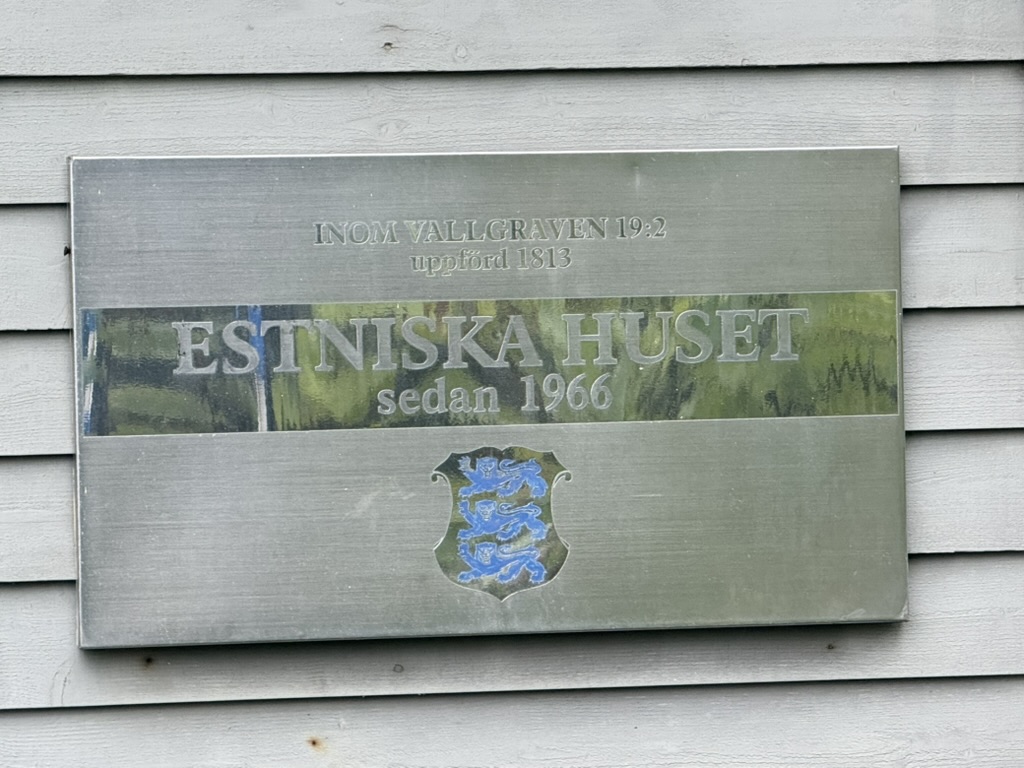
The study programme began with a meeting at the Estonian House in Gothenburg.
A story of a family’s forced emigration, of preserving Estonian identity in Sweden and of supporting Ukraine gave the meeting special meaning. The histories of the Estonian and Ukrainian peoples show how important the community’s role is in preserving language, culture and ties with the homeland.
The Association sincerely thanks its Estonian friends in Sweden for their solidarity and support for Ukraine.
Language must live beyond the classroom
In meetings with representatives of local communities, participants discussed difficulties familiar to many national communities: too little time for learning the mother tongue, a lack of trained teachers and children’s gradual shift to the majority language.
Even within one community there can be different language needs that must be taken into account when organising teaching.
The experience of youth work proved especially valuable. One should start with what interests the children themselves: sport, music, crafts, games, film and creative workshops. Such activities can create a natural environment for communicating in the mother tongue.
It is important not only to invite young people to ready-made events but also to involve them in choosing topics, planning programmes and carrying out their own initiatives.
The task of Ukrainian schools and civic organisations is not only for children to know Ukrainian. It is important that they can make friends, create, debate and discover the world in Ukrainian — so that the language remains part of their everyday life and not just a school subject.
From dialogue with the authorities to concrete results
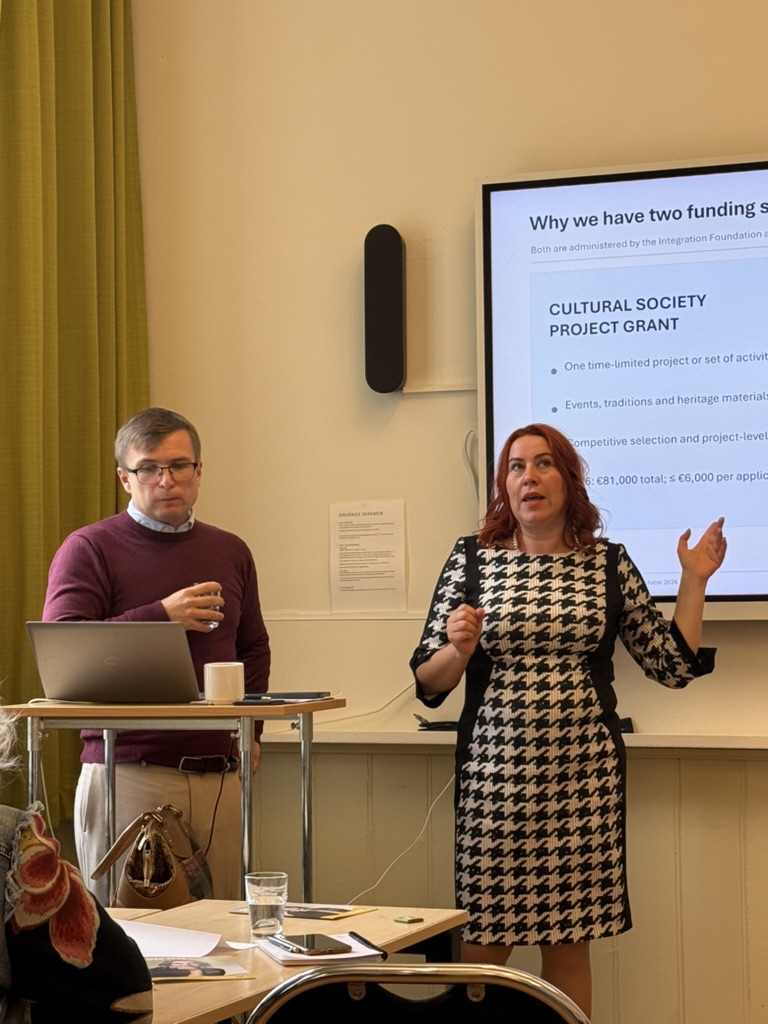
Representatives of the City of Gothenburg spoke about the work of advisory councils and regular meetings with national communities.
The example of the Roma council drew particular attention. Its representatives identify a few priority issues, discuss them with politicians, invite the responsible officials to explain possible solutions, and later check which concrete actions have been taken.
This experience is also important for the work of Ukrainian organisations in Estonia. The outcome of consultations should be measured not by the number of meetings held but by real change.
The community must understand who is responsible for an issue raised, what the next step will be and when a response can be expected.
Popular education as an environment for community development
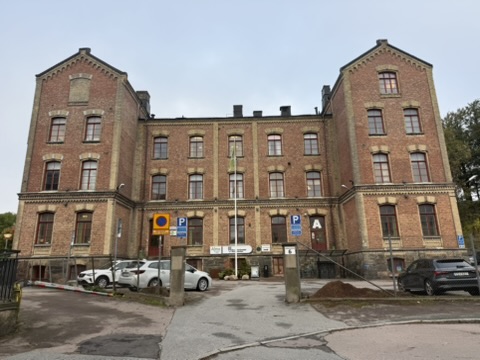
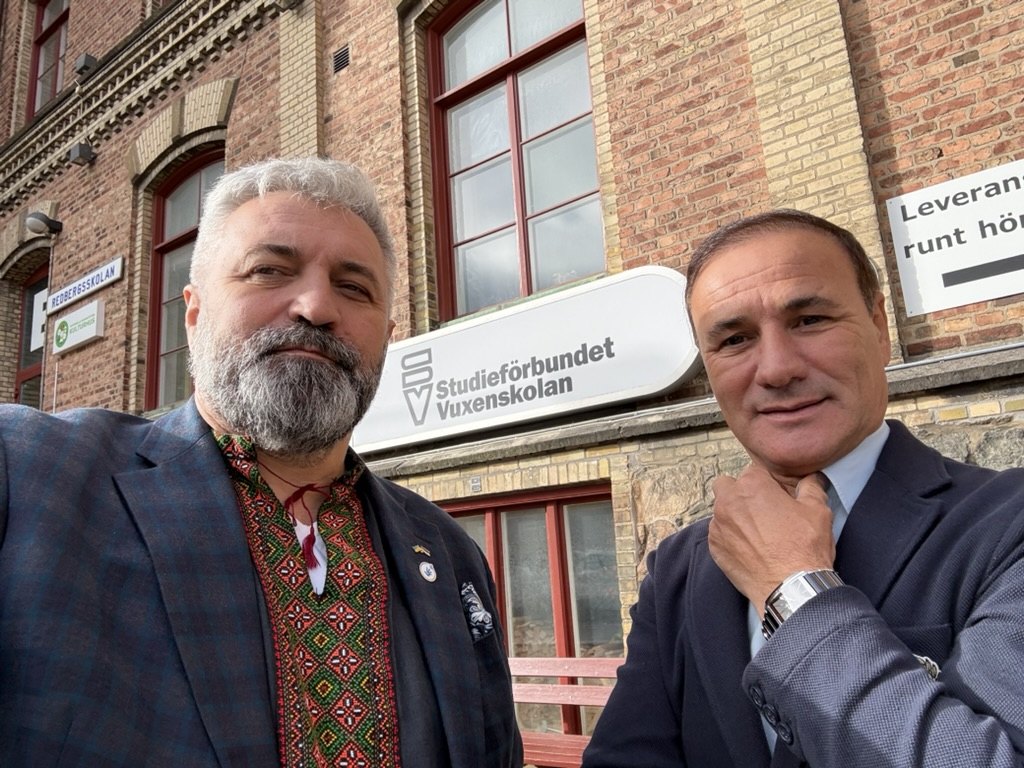
The participants visited Studieförbundet Vuxenskolan, where they learned about the Swedish approach to popular education — voluntary non-formal learning built around people’s shared interests.
Language classes, cultural initiatives, creative groups, support for civic associations and work with people with different needs are treated here as interconnected areas.
Such an approach could also be useful for Ukrainian organisations in Estonia. It makes it possible to create programmes not only for children but also for young people, adults and older people, combining education, culture and civic engagement.
A cultural centre means premises, a team and trust
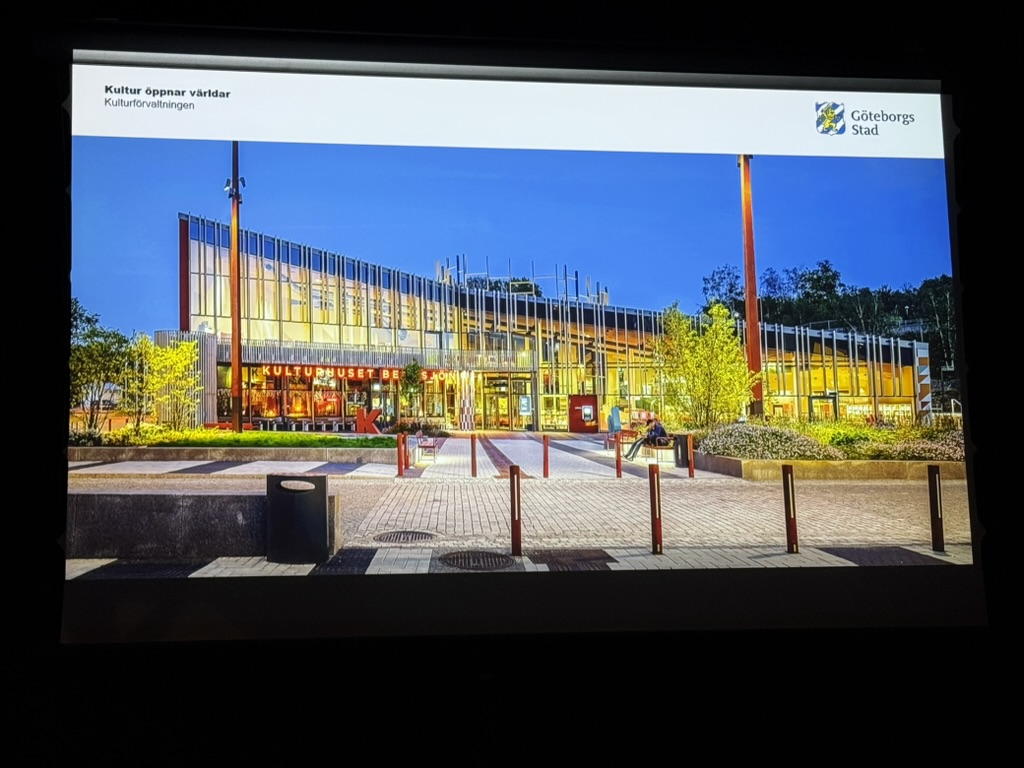
Visits to Gothenburg’s cultural centres and libraries showed how cooperation with communities works in practice.
The creation of Kulturhuset Bergsjön was preceded by years of appeals from local associations. While preparing to open the centre, its team got to know civic organisations, studied their needs and planned future activities together with them.
Today this cooperation covers children’s reading sessions, creative activities, film screenings, cultural programmes and access to literature in different languages.
The participants were also introduced to an initiative for Roma youth that offers paid work on creative projects, with the results later presented in a festival programme. It is an example of how young people can be given not only a chance to take part but also responsibility, resources and real influence on the community’s cultural life.
Practical conclusions for Ukrainian organisations
The Swedish colleagues spoke openly not only about successful projects but also about difficulties: funding cuts, dependence on short-term programmes, heavy workloads for teams and complex reporting requirements.
So the visit was not an introduction to an ideal system. It was an honest exchange of experience that helped to see more clearly both the strengths and the problems of community work.
Sustainable work by national communities requires accessible premises, trained staff, predictable funding and clear responsibility for results. Educational and cultural work cannot be developed for decades on festive events and the enthusiasm of a few activists alone.
For the Association of Ukrainian Organizations in Estonia, important directions for further work are:
- developing educational and cultural activities for different generations;
- more actively involving young people in planning and running events;
- strengthening partnerships with libraries, schools and cultural centres;
- developing non-formal education;
- consistently tracking the results of dialogue with the authorities;
- supporting organisations not only through individual projects but also with the necessary infrastructure.
These are not ready-made solutions that can be mechanically transferred from Sweden to Estonia. However, they deserve discussion and can become the basis for new joint initiatives.
At the same time, preserving the Ukrainian language and culture does not mean separating from the country of residence. Knowledge of Estonian, respect for Estonian culture and active participation in Estonian society can and should go hand in hand with preserving Ukrainian roots.
The Association thanks the Estonian Ministry of Culture, the Integration Foundation, Artem Tepliuk, Antti Yliselä, Kristina Pirgop, the Studieförbundet Vuxenskolan team, representatives of the City of Gothenburg and local national communities, Kulturhuset Bergsjön, Frölunda Bibliotek and Frölunda Kulturhus for meaningful meetings, openness and the exchange of experience.
The best result of a study visit should not be a list of institutions visited but the changes that can be made at home — so that Ukrainian children not only know where their roots come from but also want to carry on the work of previous generations themselves.
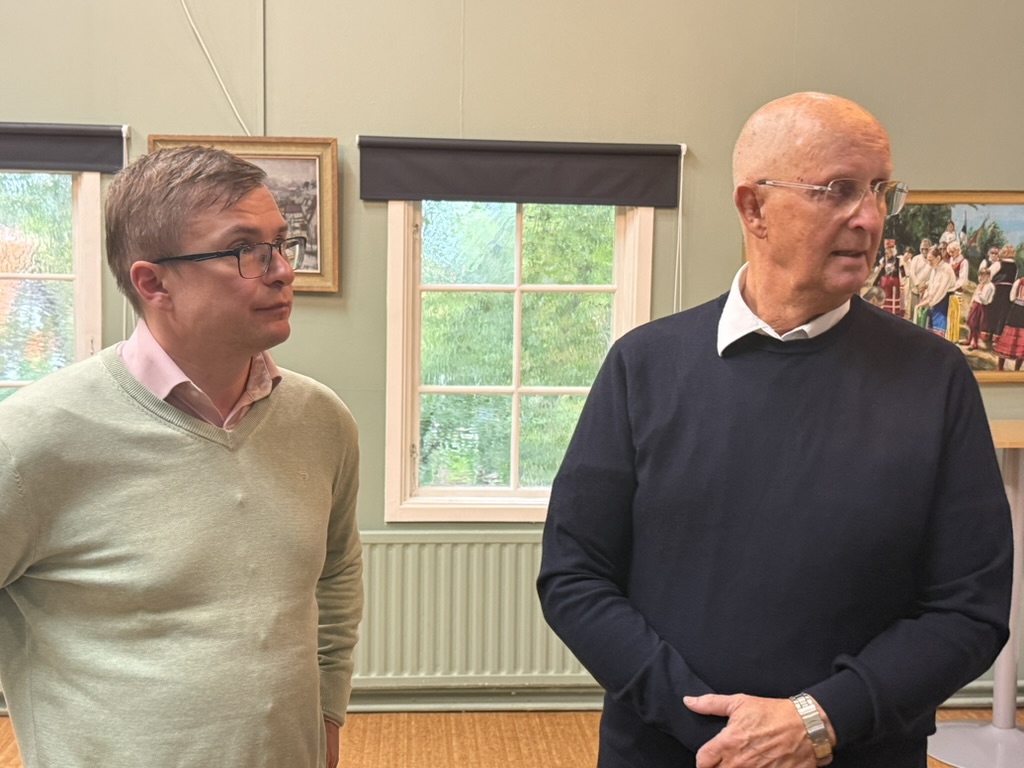
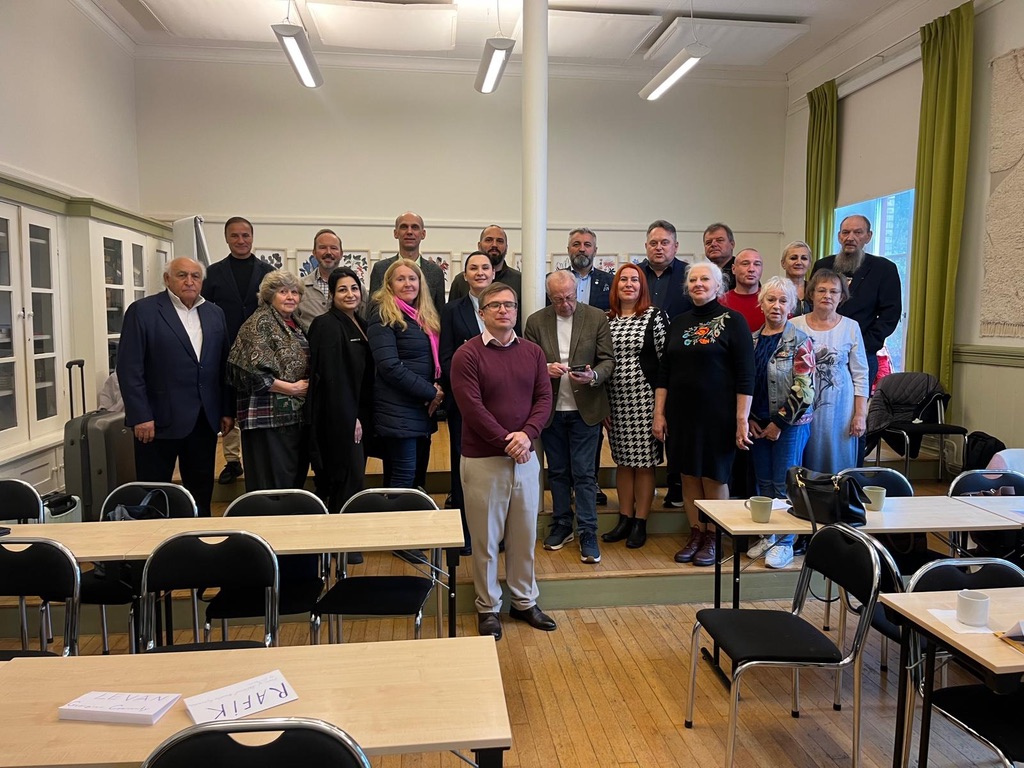
Vladimir Palamar, Chairman of the Board of the Association of Ukrainian Organizations in Estonia, with members of the Council for the Culture of National Minorities during a study visit to civic, educational and cultural institutions in Gothenburg. Sweden, 11–13 October 2026.